
Julia Shaw: Criminal Psychology of Murder, Serial Killers, Memory & Sex | Lex Fridman Podcast #483
The Dark Tetrad traits of psychopathy, narcissism, Machiavellianism, and sadism manifest differently across populations and contexts
Pieter Levels joins Lex Fridman to discuss his unconventional approach to entrepreneurship and life as a self-taught developer who has successfully launched over 40 startups. Unlike traditional entrepreneurs who seek venture capital and build large teams, Levels champions the indie hacking philosophy of creating profitable businesses with minimal resources and maximum autonomy. He explains that his startup philosophy centers on solving real problems that he personally encounters, shipping products quickly, and iterating based on user feedback rather than spending months perfecting features before launch. This lean approach has allowed him to maintain financial independence and avoid the pressure of growth at all costs. The conversation touches on the darker aspects of the entrepreneurial journey, including the significant lows Levels experienced. He candidly discusses how traveling extensively as a digital nomad, while initially appealing, contributed to depression and feelings of isolation. This period taught him valuable lessons about the importance of mental health and community, even for someone pursuing location independence. Rather than romanticizing constant travel, Levels emphasizes the need for meaningful connections and stable routines alongside entrepreneurial ambitions. A notable part of his journey was his experiment launching 12 startups in 12 months, which he describes as an intense learning experience. This rapid-fire approach forced him to overcome perfectionism and focus on execution. Instead of getting stuck on single ideas, he was able to test multiple concepts and understand market dynamics through quick iterations. This experience shaped his philosophy of learning by doing rather than extensive planning. When discussing AI and modern technology, Levels takes a pragmatic stance toward learning new tools and languages. He advocates for learning AI through building actual projects rather than pursuing formal education or theoretical deep dives. His Photo AI product exemplifies this approach, combining computer vision with user-friendly interfaces to create commercial value. Throughout the episode, Levels shares insights about his various successful products including Nomad List, a crowdsourced platform for digital nomads, and Remote OK, a job board for remote workers. He discusses practical matters like monetization strategies, dealing with spam issues, automation, and knowing when to sell or maintain products. A recurring theme is his preference for maintaining small solo operations or minimal teams, arguing that this structure preserves speed, profitability, and personal control. His techno-optimist perspective shines through as he discusses the future of automation and AI, viewing these developments as opportunities for solo creators to accomplish more with less.
“I just ship things. I don't wait for perfection. I launch and iterate based on real user feedback.”
“Depression while traveling taught me that location independence is not the answer to happiness. Connection and purpose matter more.”
“The best way to learn AI is to build something with it. Not taking courses, but actually creating products.”
“Staying solo or small keeps you fast, profitable, and free. That's more valuable to me than chasing growth.”
“I've learned more from my failures than my successes. You have to embrace the low points as learning opportunities.”
The Dark Tetrad traits of psychopathy, narcissism, Machiavellianism, and sadism manifest differently across populations and contexts
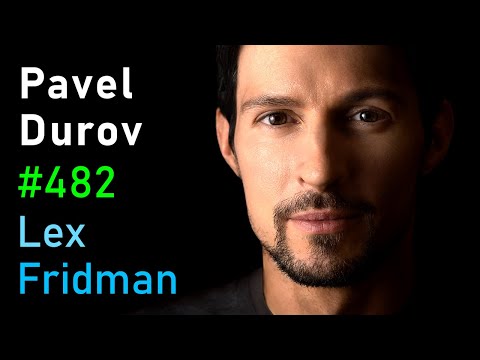
Pavel Durov discusses his philosophy of personal freedom and discipline, including his practices of avoiding alcohol and smartphones for extended periods
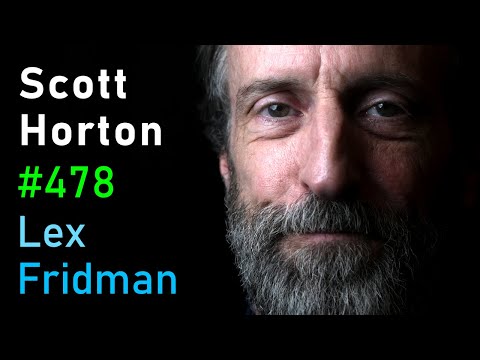
Scott Horton traces the evolution of U.S. military interventionism from the Cold War through the War on Terror, examining how policy decisions shaped global conflicts

Oliver Anthony's journey from open mic performances to viral fame with 'Rich Men North of Richmond' and the rapid life changes that followed